Pages

Showing posts with label Naturetrek. Show all posts

Saturday, 30 July 2016

Iceland - a destination for all seasons


So far this year I have visited Iceland in Februray, March, May and June, leading tours for Naturetrek. I am lucky that my brother, Simon, lives with his wife Lara near Reykjavik - I have a home from home when I need it!

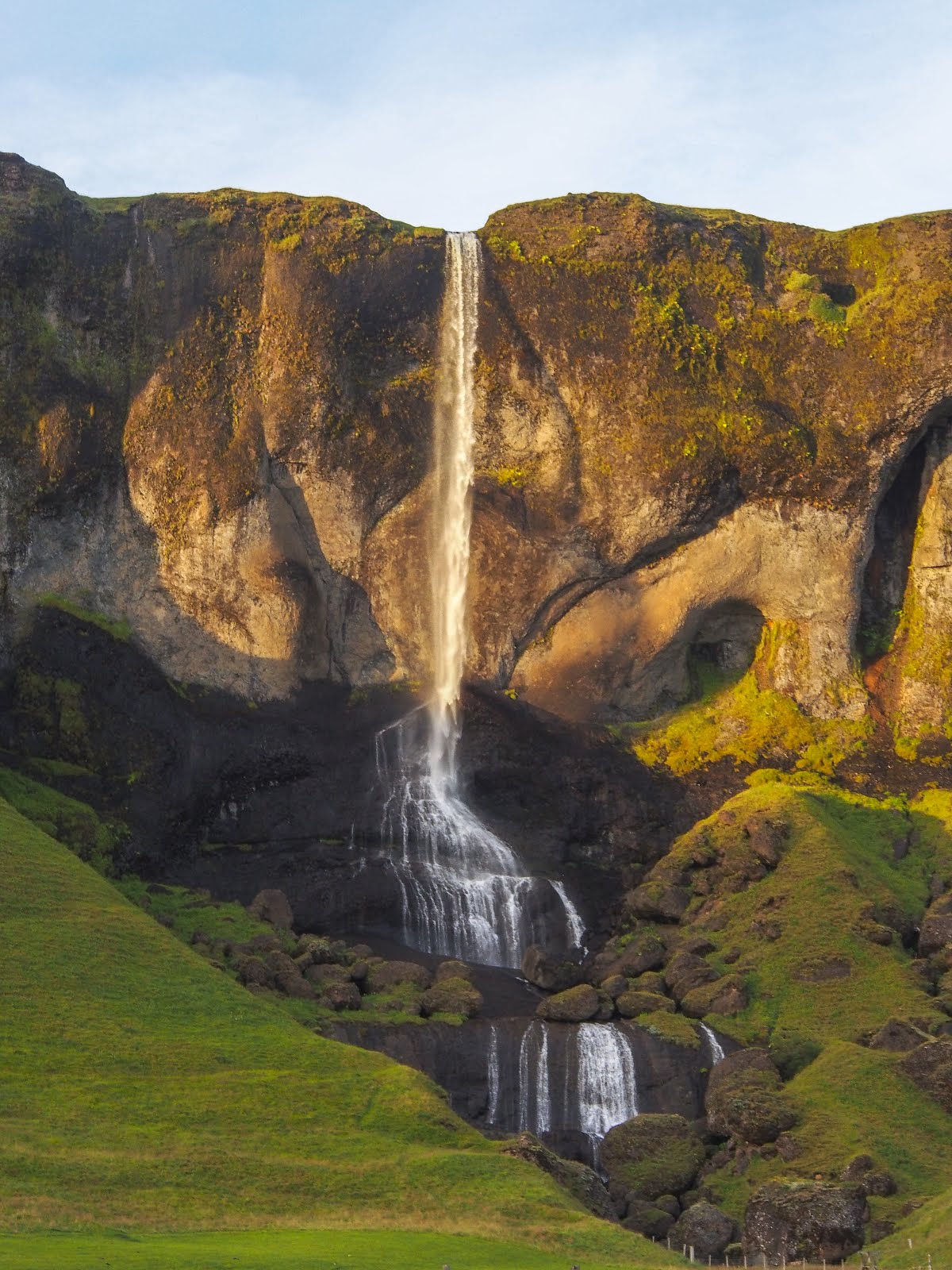
It is an amazing country, close to the Arctic Circle and positioned mid-way between Europe and North America. It is geologically fascinating, with active volcanoes and a wealth of geothermal sites. Vatnajokull is Europe's largest glacier but there are several more dotted around the island. Ongoing volcanic activity, glaciation, extreme weather and the sea have combined to produce an incredible landscape. Black lava flows crunble into the raging Atlantic, tumultuous waterfalls cascade over towering cliffs and snow-topped, precipitous mountains give way to vast sand plains. I can honestly say that it is the most impressive scenery that I have seen anywhere in Europe.
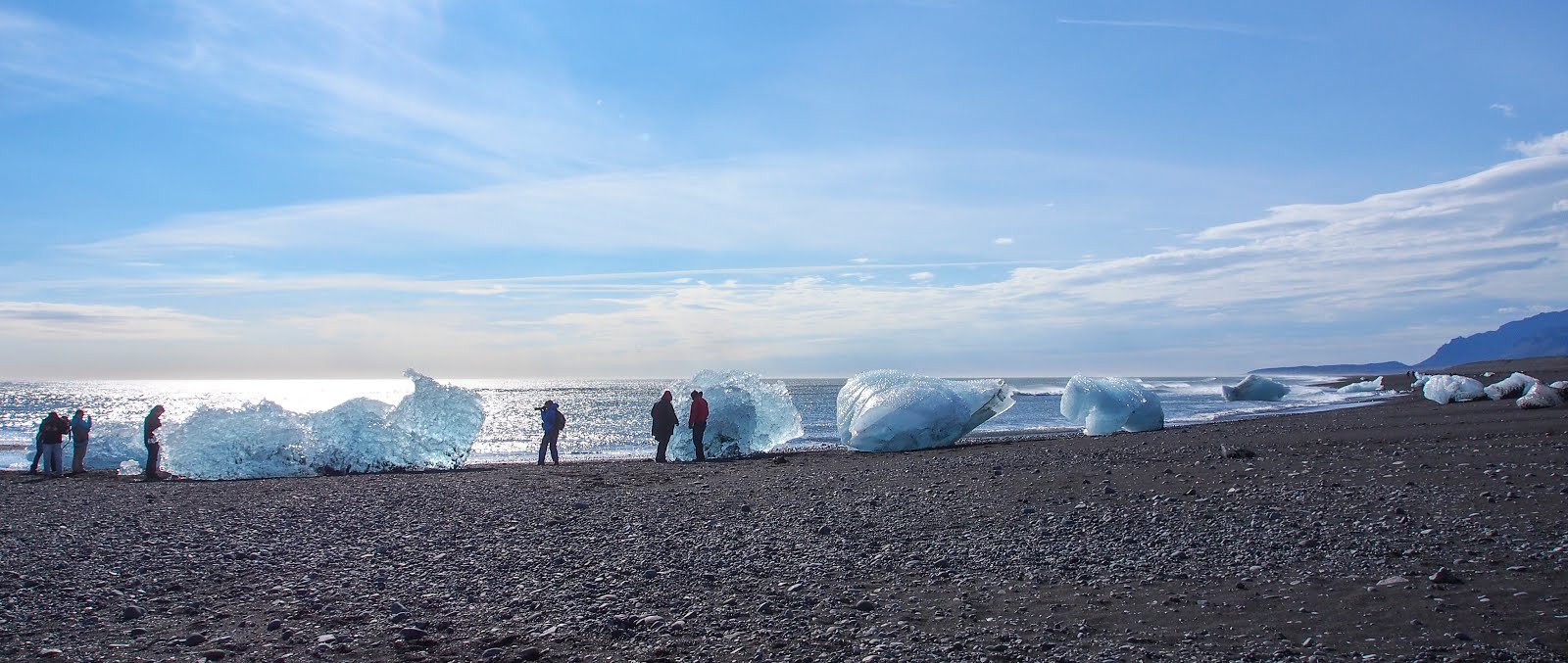


Icerbergs on black sand beach, near Jokulsarlon


And Iceland has a unique atmosphere; the viking heritage lives on in a fiercely independent culture. With a total population under 300,000, there are vast wilderness areas where birds dominate. There are relatively few species compared to the UK but the sheer abundance of breeding birds in the short sumer is astonishing. There are several species that have their most important breeding grounds in Iceland, a few that breed nowhere else in Europe. Winter is the best time to look  for Gyrfalcon, the largest Falcon in the world.  Finally, Iceland is the premier whale watching location in Northern Europe, where sightings of Minke, Humpback and Sperm Whales are very likely.


Jokulsarlon


19th Century Church
Roadside waterfall


Winter

There are two different winter tours, one to the north-east around Lake Myvatn and the other to the Snaefellsnes Peninsula in the west. We witnessed the Northern Lights in both places. The scenery is arguably better in the far north, where we had heavy snow. The lake itself is warmed in places by underwater thermal springs and some areas remain free of ice.


Godafoss

Lake Myvatn


Spring/Summer

This is the only time to visit Iceland for serious birders - there are breeding seabirds and waders everywhere! During back-to-back tours, I travelled all the way around Iceland along route 1, the main ring-road. Perhaps my favourite area is the east coast because it is so wild and relatively unknown. The most exciting birding was around Lake Myvatn and the whale watching from Husavik was superb. Snaefellnes has a unique atmosphere and taking the Laki Tours boat from Olafsvik, we had close encounters with huge male Sperm Whales. I appreciated having Mike Youdale as co-leader on the second tour, he's an excellent birder and good company! I am due to return to Iceland this autumn, when the Northern Lights should again be visible and flocks of migrating geese can turn up anywhere.


Red-necked Phalarope


Tail fluke of  Humpback Whale


Long-tailed Duck


Common Eider


Thursday, 28 July 2016

Tanzania - January 2016

Northern Tanzania is a classic safari location where Lions, Leopards and Cheetahs hunt huge herds of Wildebeest, Zebra and Gazelle. I have made two trips to Ethiopia, which is an amazing country with a wealth of wildlife. However, it does not have large herds of game and big cats are very hard to find. So when I was asked to fill in as leader on the Naturetrek Tanzania Highlights tour, I didn't hesitate!


Lioness - Serengeti


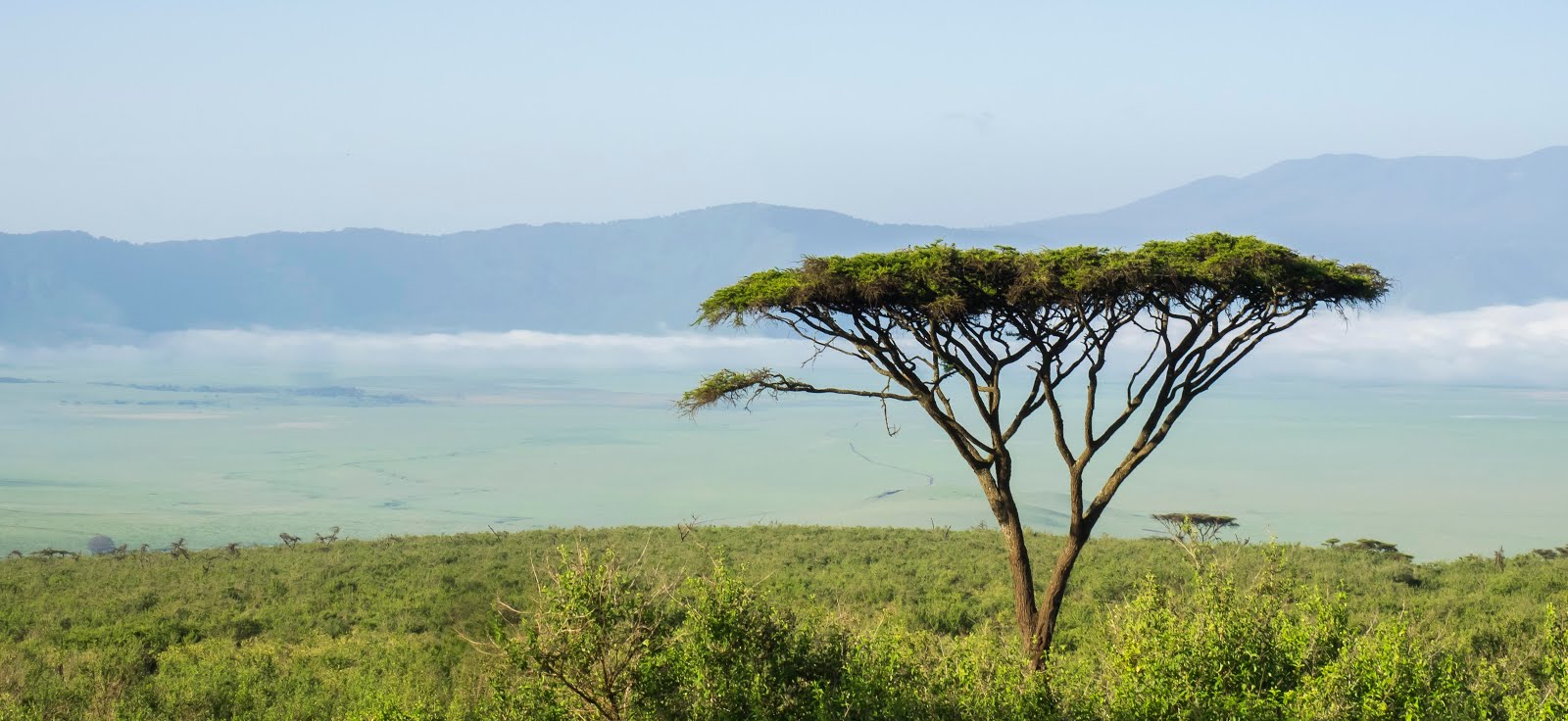
We flew into Kilimanjaro and met up with our driver/guides, Yusef and Leakey. They were very experienced and it was real pleasure working with them throughout the tour. We spent our first full day in Arusha National Park before three nights in Tarangire. After a short visit to Manyara, we travelled farther west, left the tarmac road behind  and continued on to the vast plains of the Serengeti. Our tour finished with three nights in a lodge overlooking the incredible Ngorongoro Crater.

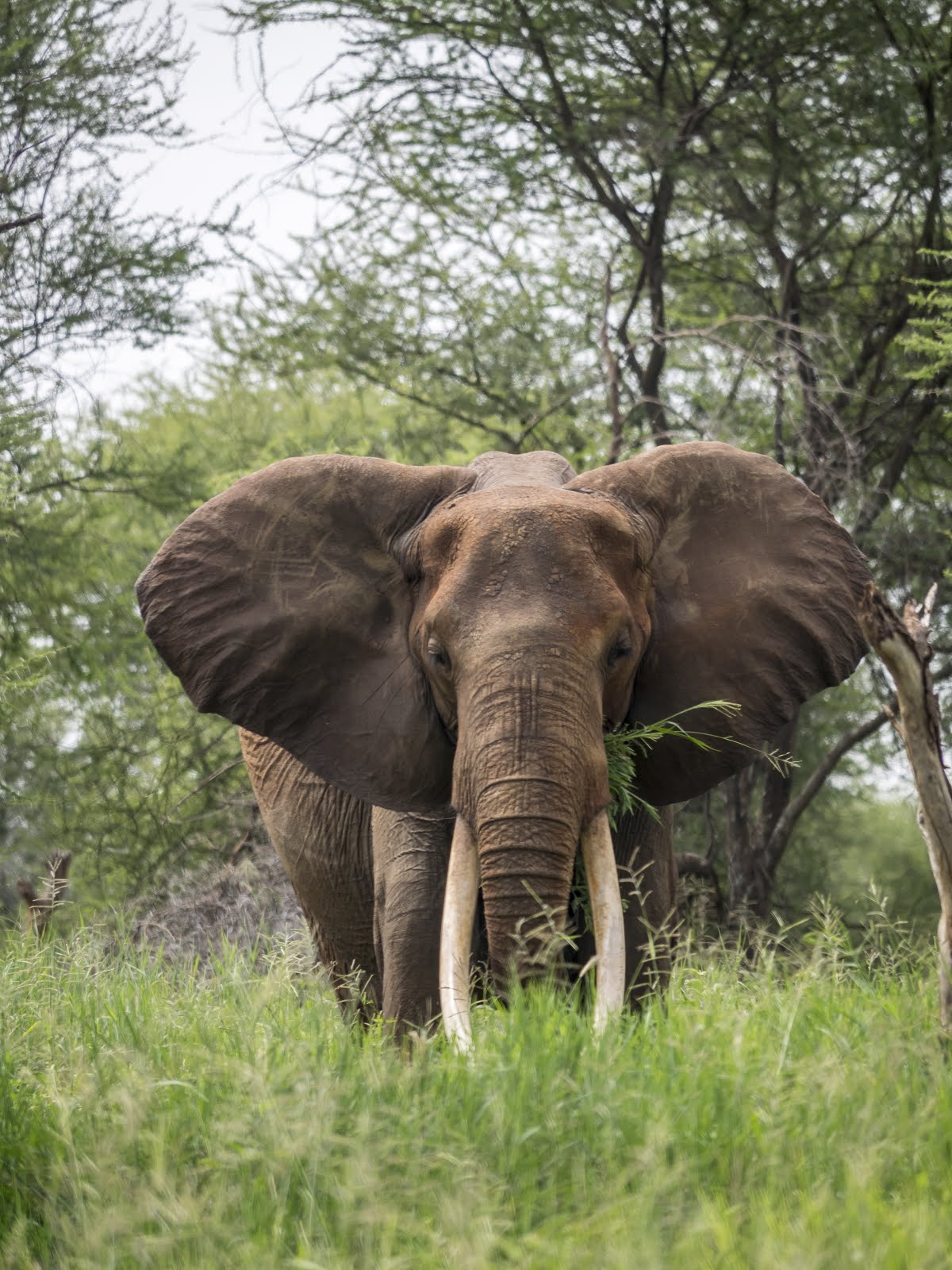
Tarangire is famous for its Elephants and we were able to approach very close in our landcruisers. We saw mainly females with young of varying sizes. We had great views of Banded and Dwarf Mongoose as well as many Rock Hyrax. One of the highlights was a majestic Martial Eagle, perched in a roadside tree.


Manyara is famous for its tree-climbing Lions but we saw only a frustrating silhouette in a tangle of branches - we were to get much better views at Serengeti. However, the wetland birds were superb, including a frenzied feeding flock of Black Herons.

Serengeti means "endless plains" in the Maasai language and it is a genuinely awe-inspiring sight. As we drove through Naabi Hill Gate, a vast panorama was revealed, where herds of game number in the thousands. Lions and Hyenas can be seen loping along or resting near the roadside. We saw a total of three Leopards, all in the same afternoon. However, the highlight of the whole trip was when we were able to photograph a pride of Lions, resting in a large acacia tree.


We visited at the end of the short rains and many of the Zebras and Gazelles had small young. Near Lake Ndutu, we watched a Cheetah stalk down a baby Grant's Gazelle, as its helpless parent looked on. At the lake shore, we came across a herd of Wildebeest trying to cross; we followed them for some time as they repeatedly charged into the shallows, only to give up and return again to the shore. More relaxed were the Maasai Giraffes, who fed in the woodland around our tented camp; they are so impressive when seen close up!


Ngorongoro Crater was a fitting finale and here we saw our  only Black Rhino of the trip. We drove down each morning into the huge caldera and spent hours driving around the crater floor. We were lucky to witness the birth of a Wildebeest, which was on its feet and following its mother within five minutes of being born!


Ngorongoro Crater - view from rim


The Gambia - January and March 2016

January and March - The Gambia

I flew out of London Gatwick on the morning of January 1st, leaving winter behind to land in the warm sunshine of Banjul, capital of The Gambia. The smallest country on mainland Africa, it was established around the mighty Gambia River and played a key role in the slave trade. The people are very warm and welcoming, despite the fact that many struggle with poverty. The culture is fascinating, with the Muslim faith being combined with many aspects of  older, traditional beliefs and rituals. Tourism is central to the economy, along with fishing and agriculture.


Mandina


We stayed at the Mandina Lodges, an exemplary eco-tourism project that sits on the shores of a mangrove-lined tributary of the Gambia River and in the middle of the Makasutu Cultural Forest. Canoe trips along the Mandina Bolon enabled us to get very close to herons, egrets, waders and kingfishers. The forest held a fantastic variety of birds, including several species of both bee-eaters and rollers. All of our local guides were superb; as well as paddling the canoes, they took us on many walks through the forest and surrounding agricultural areas.


White-throated Bee-eaters


African Darter


In March, I was lucky enough to return to Mandina with a group that included John Barnett, an old friend with whom I had lost touch for over twenty years! We broke the Naturetrek record for this tour, seeing a total of 194 bird species during the week. Mammals are less in evidence but it is possible to get very close to the troop of Guinea Baboons that frequent the forest. 

Big thanks to Lamin Jarju and Alagie Bojang, who worked with me on both tours.


Guinea Baboon


Monday, 6 October 2014

Scottish wilderness - August in Ardnamurchan with Naturetrek

James Mace


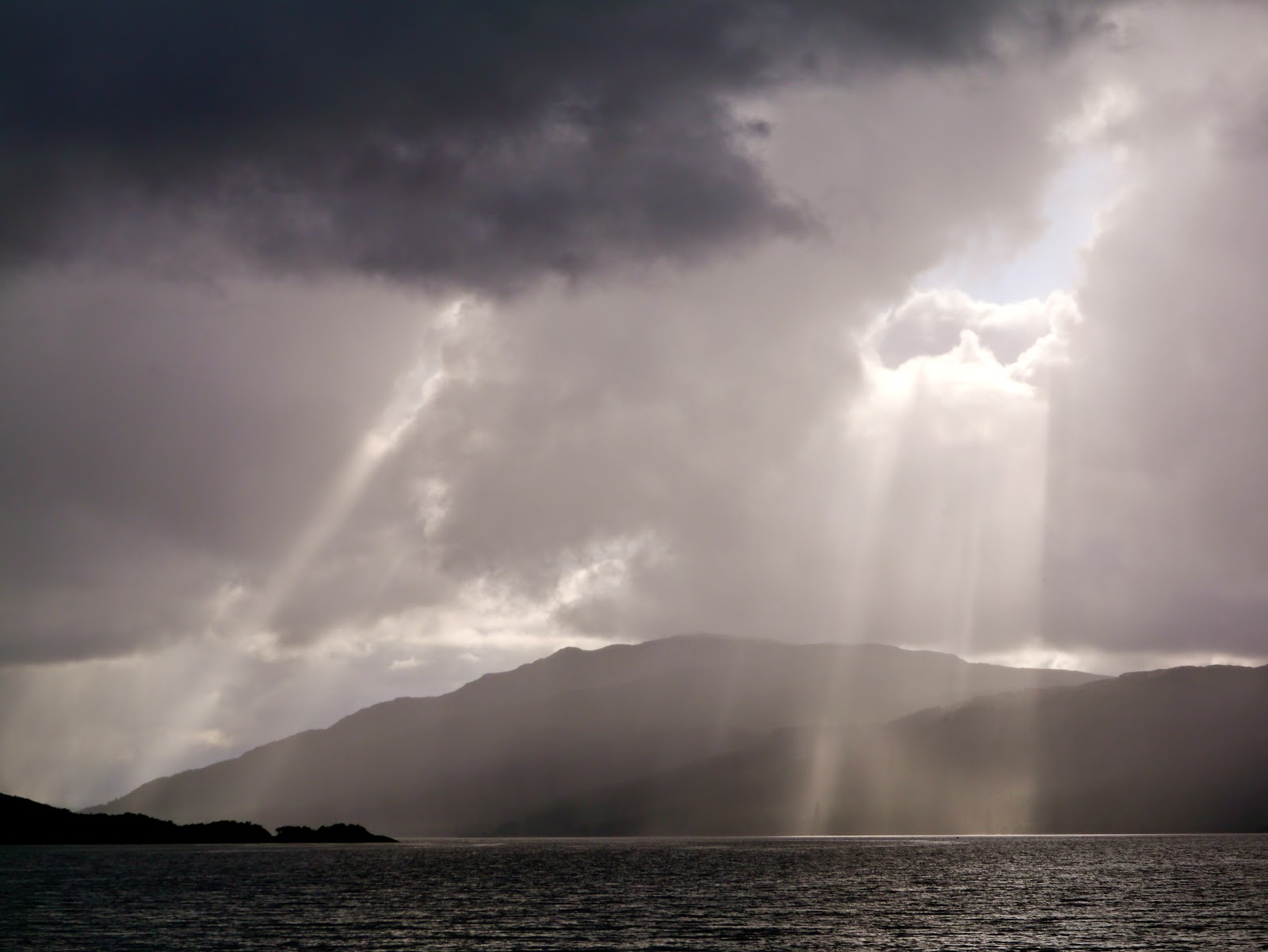
I spent almost all of August in the Ardnamurchan Peninsular on the west coast of Scotland, leading tours for Naturetrek. This is one of the most remote and, to my mind, one of the most beautiful areas in the Scottish Highlands. It is a privilege to spend time here with like-minded people who really appreciate the opportunity to see wild animals in an unspoilt landscape.


Each week was different but every we all saw four of Scotland's "Big Five" - Otter, Pine Marten, White-tailed and Golden Eagle. The weather is mixed at this time of year but there are always sunny spells in between the showers!


Emma J Shipley

Otters are not easy to find on Ardnamurchan, despite the fact that Loch Sunart is designated a Special Area of Conservation for Otters (and other wildlife)! The reason is that there is simply so much excellent habitat. We found our Otters in the bays to the west of Glenborrodale, in Laga Bay and on the Isle of Carna.


James Mace (through scope)

Pine Martens are normally very hard to see but there is a high density around our base in Glenborrodale. We had many prolonged views of up to four at a time and sometimes even in daylight...very special moments.


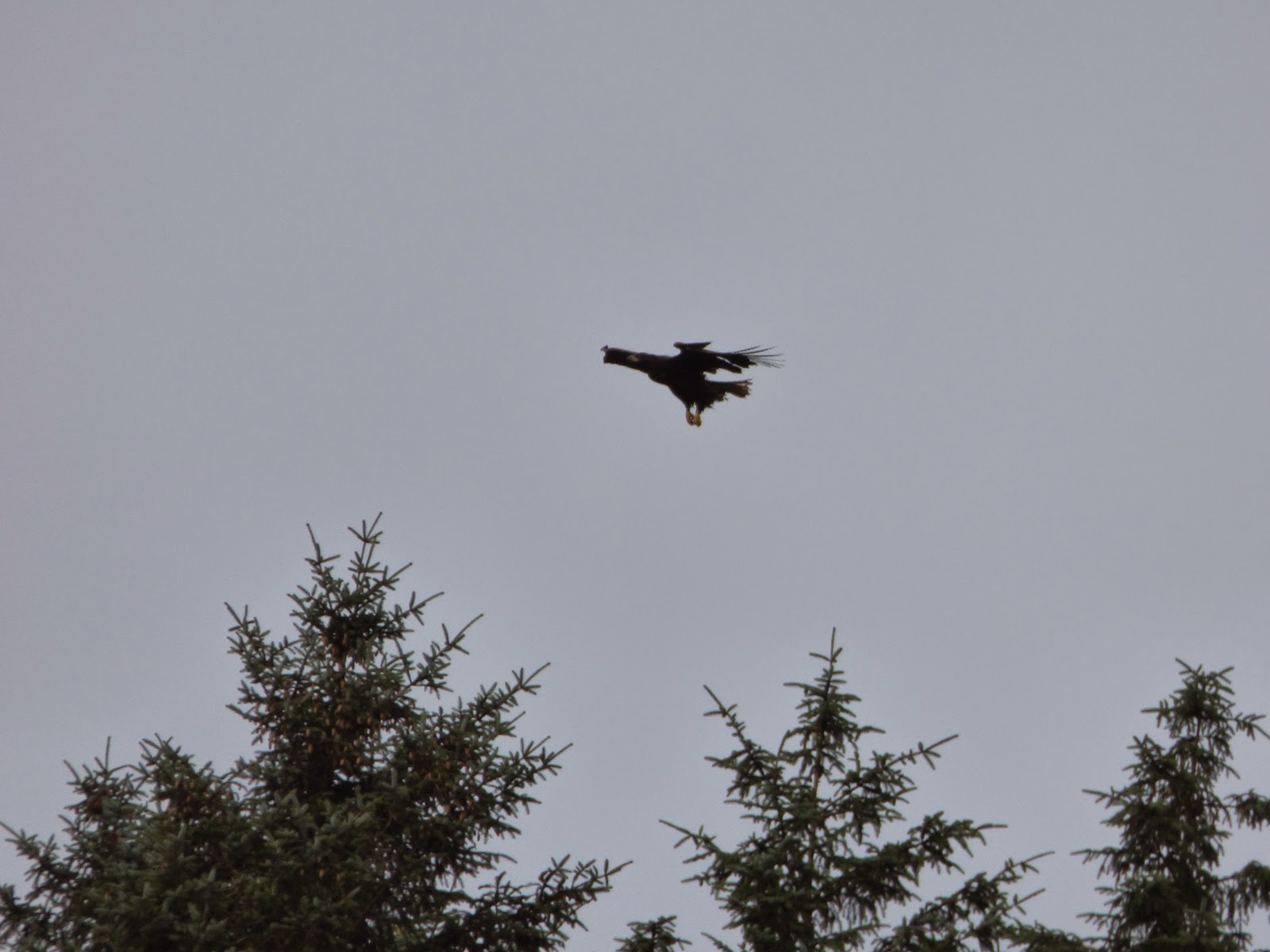
White-tailed Eagles are spreading across the Highlands and Islands and are now breeding on Ardnamurchan. Our best views were on the boat trip, when we sailed close to the north shore of Mull. On different occasions, we watched both adults and immature birds flying close overhead or perching up on tall pines or crags close to the shore. These majestic raptors are Britain's largest bird of prey and one of the biggest eagle species in the world. Golden Eagles are often harder to see on Ardnamurchan and so it proved this summer, with only fairly distant views in the vicinity of Ben Hiant (the largest mountain on the peninsular).


Mike Fell

The one member of the "Big Five" that we could not find was Scottish Wildcat. The dire conservation status of this iconic highland species is well known and numbers on Ardnamurchan have dropped significantly in recent years. However, a new project, entitled Wildcat Haven, has been established on the peninsular in order to protect and then boost numbers of Wildcat. All local domestic and feral cats have been neutered and camera traps have been set up to monitor the movements of Wildcats. A new captive breeding programme on the Isle of Carna is intended to boost the numbers in future years. Hopefully, we will be able to enjoy views of this superb predator in the not too distant future.

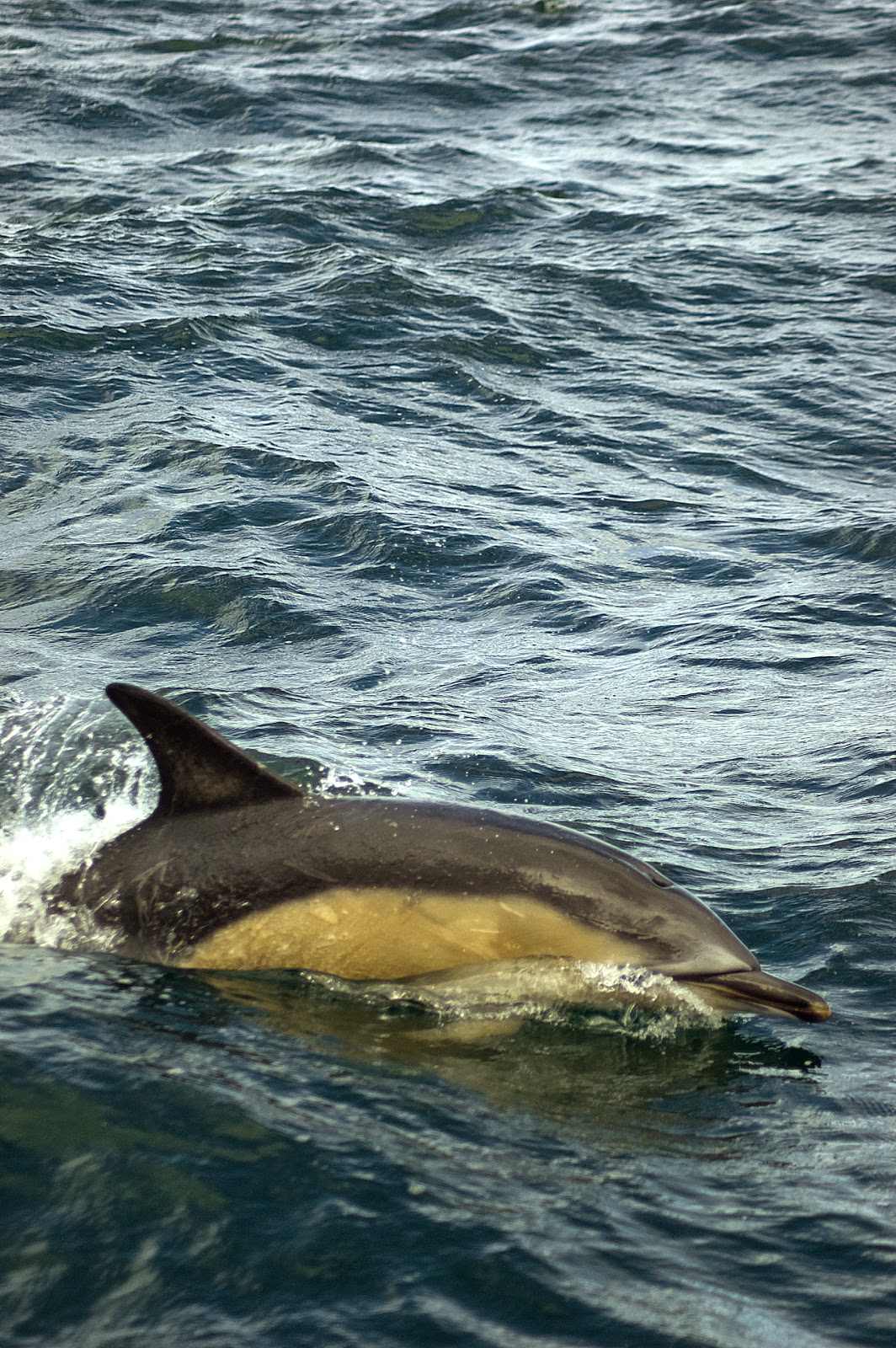
The wide range of wildlife combines with stunning scenery to make Ardnamurchan such an exciting wildlife destination. Other birds seen during August included Hen Harrier, Peregrine, Merlin, Short-eared and Tawny Owls, Red-throated Diver and a host of seabirds. We enjoyed watcing groups of resident Porpoises and on different occasions we also had superb views of Common and Bottle-nosed Dolphins.


James Mace

One each of Basking Shark and Minke Whale were also seen and Common Lizard was a first for our tours. Butterfly species were limited but we saw lots of Scotch Argus and several Dark Green Fritillaries. Thanks to the expertise of group members, we find new species on every tour; this year we added several new insect species and found 4 species of bat. There are also lots of beautiful wildflowers, especialy amongst the maritime grass and machair. Grass of Parnassus, for example, can be abundant.


Mike Fell


I have worked closely with the Ardnamurchan Estate over the past three years and gratefully acknowledge their support, which has been invaluable. I would like to thank Andy and Tom of Ardnamurchan Charters for the excellent boat trips and visits to Carna - I highly recommend their wildlife boat trips to anyone visiting Ardnamurchan. Big thanks also to Hamsa Yassin of Wild Highland Tours for his expert input on our night safaris.  Finally, a huge thank you to all the people who joined me in Ardnamurchan; it was a great summer and I hope I can meet you again, maybe on future Naturetrek tours!


Emma J Shipley

Tuesday, 24 June 2014

Photos from Spring Birding in Sicily with Naturetrek

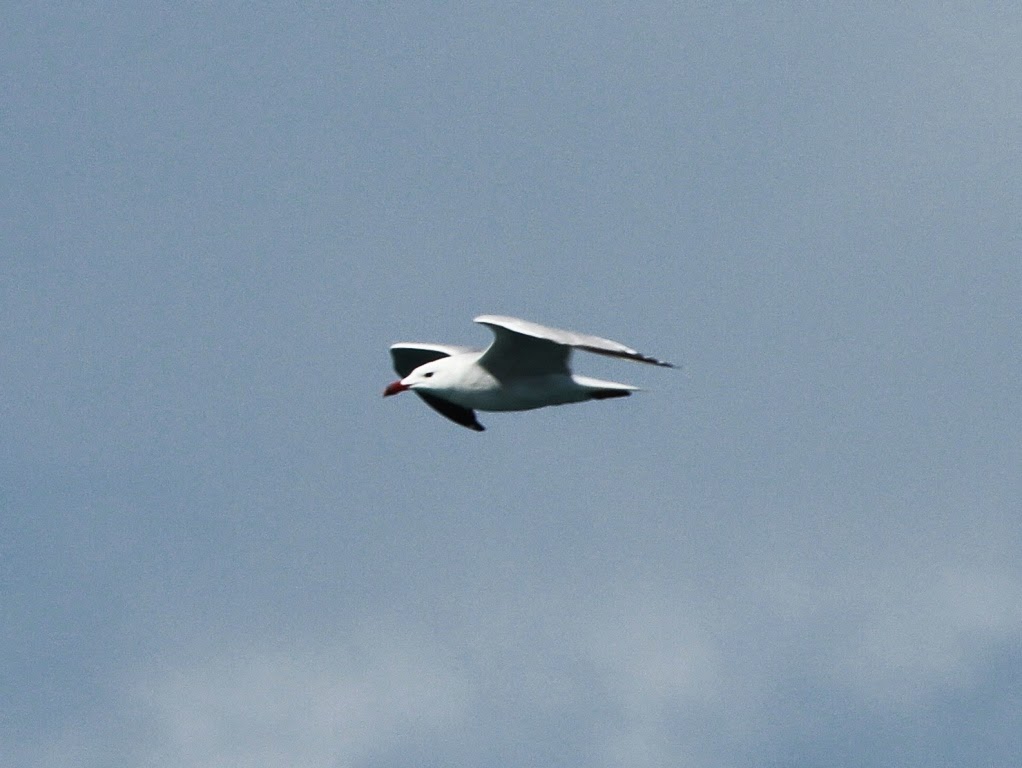
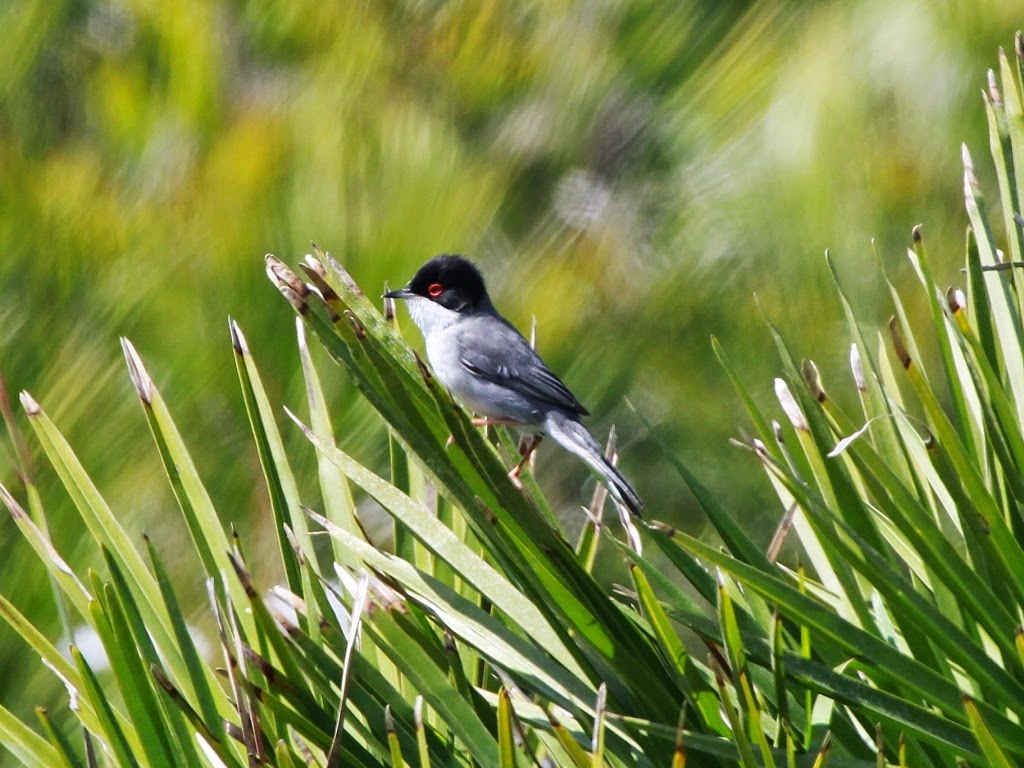
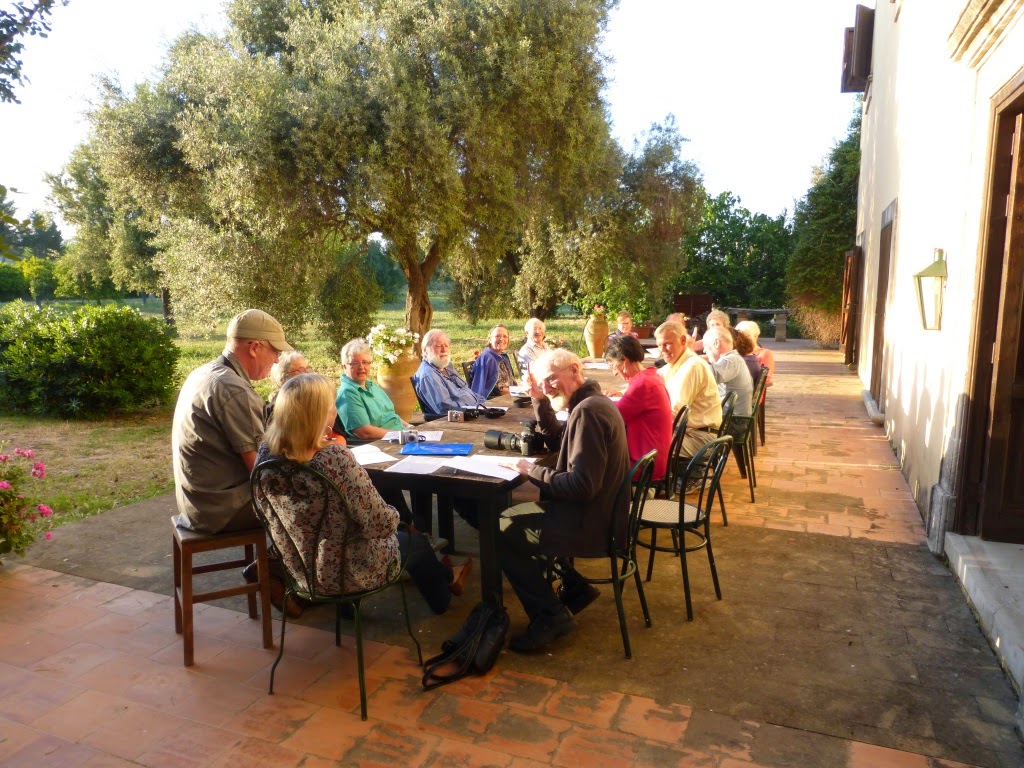
In early May, Dave Nevitt  and I led a very successful Naturetrek tour to the south east of Sicily. We greatly enjoyed the company of our enthusiastic group, staying in a big farmstead near Syracuse which was set amidst beautiful countryside.  During a busy week, we visited several coastal sites as well as Mount Etna. Common species around the farm and its vineyards included Turtle Dove, Nightingale, Sardinian Warbler and Tree Sparrow. Of course, we also found many more breeding birds and passage migrants along the coast. Highlights included Slender-billed Gull,  Audouin's Gull, Rufous-tailed Bush Robin and Great Spotted Cuckoo. Equally memorable were the incredibly close views of breeding waders! 

It is difficult to take photos when leading a tour so I am very grateful to Peter Spillet for the excellent photographs included in this post. 

Sunday, 8 June 2014

Naturetrek in Abruzzo Week 2 - Apennine Wolf!

Typical scenery in Abruzzo

Our second group thoroughly enjoyed another excellent week in the stunning mountain scenery around Pescasseroli, in the heart of the Abruzzo National Park, Italy. The hospitality provided by Marco, Geraldine and all the staff at the Albergo Paradiso was much appreciated. The weather remained largely dry and sunny with occasional heavy showers that did not dampen our enthusiasm!

Those who rose at 5am to join Jessica and me on the early morning mammal watches from Gioia Vecchio were finally rewarded (on Day 5) with exceptional views of two wolves. Having had brief views of a Marsican Brown Bear walking across a clearing, I was scanning hard when two Apennine Wolves walked out of the forest and stopped for about 3 minutes, interacting in a playful manner that belied their undeserved negative reputation. We watched them through the 'scope until they sauntered along a path across a clearing and back into the trees. It was one of those special wildlife moments when time seems to stand still; prolonged views of Apennine Wolf are very unusual and those present felt very privileged.

Sunset at Gioia Vecchio

The Apennine Wolf (Canis lupus italicus) is also known as the Italian Wolf. It is a sub-species of Grey Wolf, differing both morphologically and genetically from other races (like the more widespread Eurasian Wolf). It inhabits mountainous areas across the Appenines and western Alps, though it is undergoing a process of expansion towards the north and east. Recent estimates put the total population at 500 individuals. It has been strictly protected in Italy since the 1970s, when the population reached a low of 70-100 individuals. The population in the Abruzzo National Park is estimated at just 50 individuals.

The spectacular scenery of the Val di Rose was considered by most of the group to be another highlight of a memorable week. The local Apennine Chamois (like the Apennine Wolf, a separate race unique to Italy) were very confiding and birds included Goshawk, Alpine Accentor, Black-eared Wheatear and Alpine Chough.


View from the top of the Val di Rose

Apennine Chamois

A lot of our time was devoted to seeking out unusual flowers in the different valleys around Pescasseroli; once again Jessica was able to locate a stunning array of over 30 Orchids in various locations.

Lady's Slipper Orchid
Bertoloni's Bee Orchid
The Abruzzo National Park is an amazing location for wildlife and one to which I could happily return again and again!

Friday, 30 May 2014

Naturetrek in Abruzzo Week 1

Near the top of Val di Rose
The first week in Abruzzo is over and we have now returned to our hotel in Pescaserolli from Rome with the second group. 

The weather was generally good - lots of warm sunshine interspersed with occasional thunderstorms! Our lovely group were enthusiastic about every aspect of Abruzzo's special flora and fauna which made the week hugely enjoyable. We were usually out by 5:30am to look for mammals before breakfast then out walking all day finding an exciting range of  flowers, insects and birds. Just three of us were lucky enough to see a Marsican Brown Bear but everyone enjoyed extended views of large groups of Red Deer and Wild Boar throughout the week, along with ridiculous numbers of voles and mice! The variety and abundance of orchids was stunning and a total of 32 butterfly species were seen.


HIGHLIGHTS:

Mammals
Marsican Brown Bear
Abruzzo Chamois
Wild Boar
Snow Vole
Plus lots of Red Deer, Roe Deer,  Brown Hare etc.

Birds
Golden Eagle
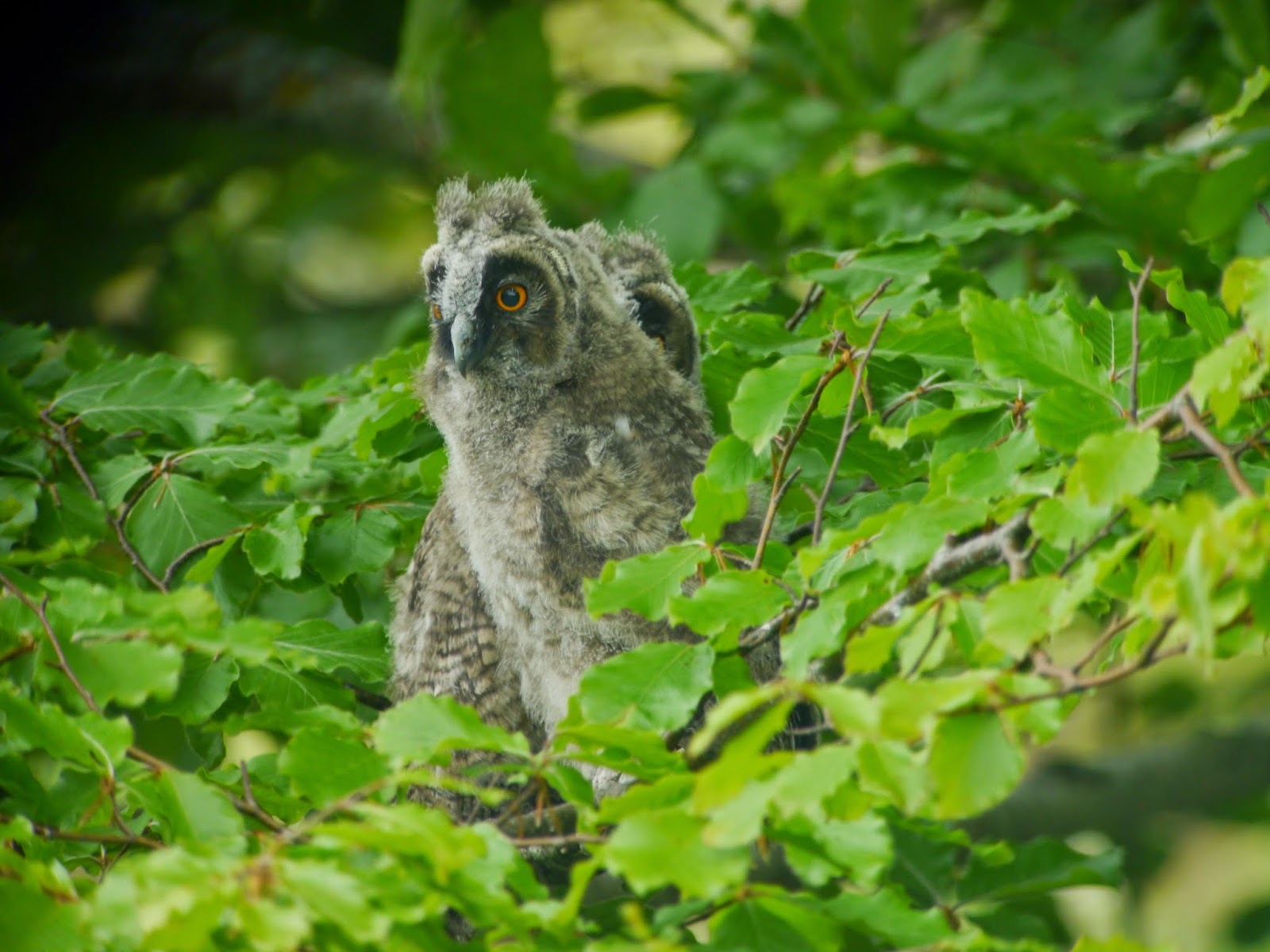
Long-eared Owls (2 Owlets with adult)
Middle Spotted Woodpecker
Wryneck
Crag Martin
Water Pipit
Alpine Accentor
Black-eared Wheatear
Bonelli's Warbler
Red-backed Shrike
Plus lots of Redstart, Black Redstart, Firecrest, Chough, Tree Sparrow and Cirl Bunting.

Long-eared Owlets
Butterflies
Southern Scarce Swallowtail
Swallowtail
Wood White
Berger's Clouded Yellow
Mazarine Blue
Adonis Blue
Spotted Fritillary
Lesser Spotted Fritillary
Heath Fritillary
Queen of Spain Fritillary
Large Wall Brown
Clouded Apollo

Southern Scarce Swallowtail
Flowers
Lady's Slipper Orchid
Adriatic Lizard Orchid
Bird's Nest Orchid
Berteloni's Bee Orchid
Late Spider Orchid
Military Orchid
Green-winged Orchid
Lady Orchid
Toothed Orchid
Burnt Orchid
Lady's Slipper Orchid